Investment
Property on La Palma: A Guide for German-Speaking Buyers
For German-speaking buyers, La Palma occupies a specific and long-standing position. Over decades, German, Austrian and Swiss owners have shaped the island's cultural landscape, especially in the west around Puntagorda, Tijarafe and Tazacorte. They arrive for the opposite of a scene: a climate that works year-round, a landscape that has not been overbuilt, and a European legal framework.
This guide sets out what a German-speaking buyer should know before searching seriously for property on La Palma — the buying process, tax context, and the regions that consistently work in practice.
Why La Palma Works for German-Speaking Buyers
La Palma offers what Mallorca and Tenerife once offered and will not offer again: an island with a real local economy, an unspoiled landscape and a scale that remains personal. Prices per square metre remain well below those of the built-up Balearics or the tourist-heavy southern Canaries.
The west-side climate is unusually stable, with dry, sunny winters. For buyers who plan to live on the island part- or full-time, this is the decisive factor — more than any single property feature.
Finca, Villa or Sea-View Home
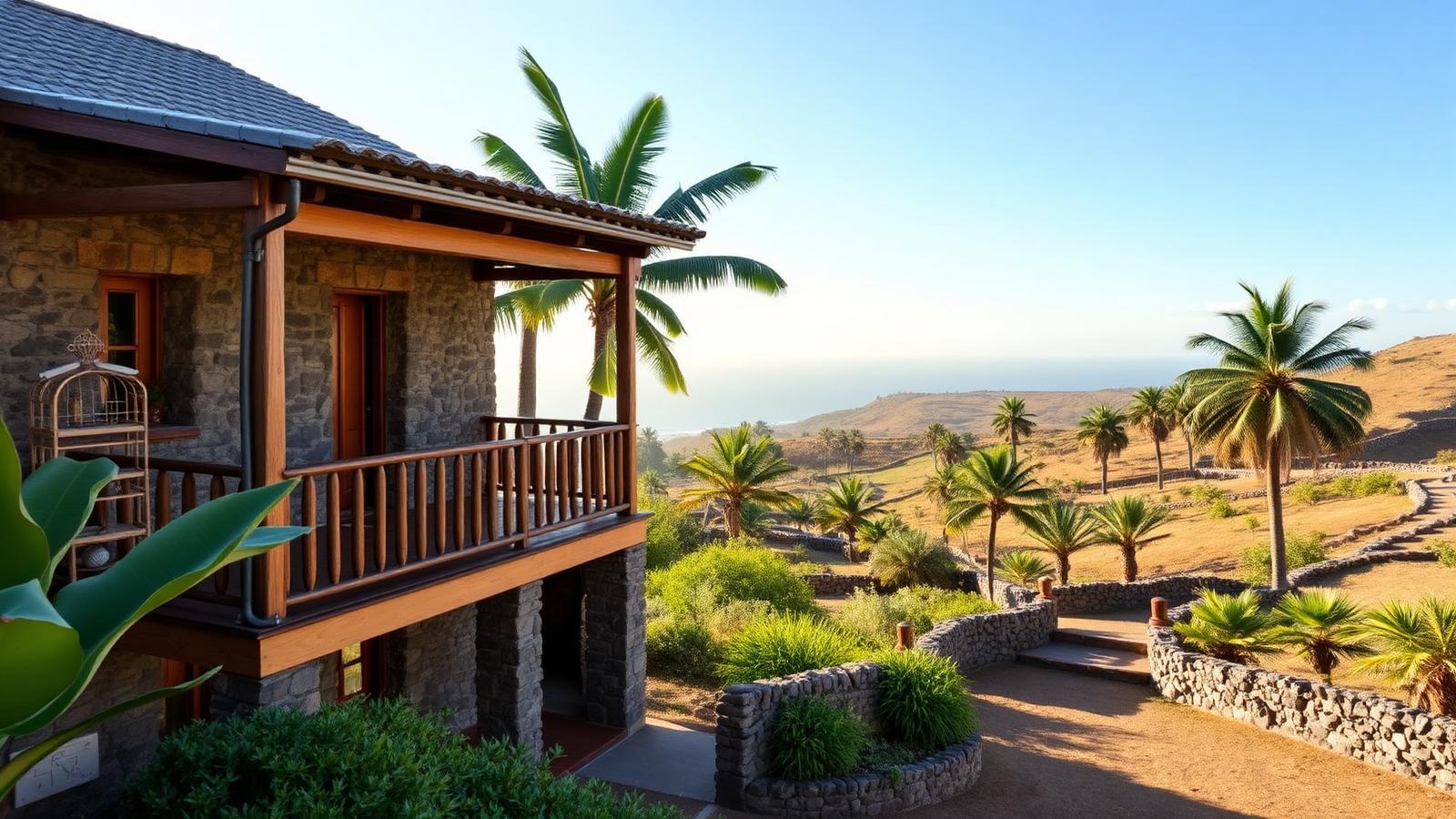
Demand from German-speaking buyers concentrates in three categories. The finca — traditional Canarian country house with land, terraces and often water rights — is emotionally the strongest category and a meaningful share of our inventory.
Villas are typically newer or architect-designed homes in the west and north-west, often with pool and generous sea views. More accessible sea-view homes in villages like Puntagorda or Tijarafe frequently start below €400,000.
The Buying Process: NIE, Notary, Land Registry
The Spanish process is structured and well established. A NIE is obtained first, followed by reservation, private purchase contract (contrato de arras) and completion at notary (escritura pública).
After notary, the property is registered in the buyer's name at the Registro de la Propiedad. Costs include ITP, notary and registry fees, and legal representation — approximately 8–11% of the purchase price in total.
Tax Considerations
The Canary Islands operate a distinct tax regime (REF), including IGIC in place of standard Spanish VAT and lower rates in specific areas. Property buyers should also plan for transfer tax on resale, IBI (annual property tax) and, for non-residents, non-resident income tax.
German, Austrian and Swiss buyers benefit from double-taxation treaties with Spain. Structuring should be done with a local tax advisor; we work with trusted firms on the island.
Water Rights, Coastal Law and Rustic Land
Water is decisive on La Palma. Many fincas carry shares in private water communities (comunidades de agua) — these rights must be verified before purchase.
Building restrictions on rural land (suelo rústico) are strict. A municipal urbanistic certificate should be requested before reservation.
How La Palma Exklusive Supports German-Speaking Buyers
We work in German, English and Spanish and support buyers end-to-end: pre-selection, verification of water rights and permissions, land registry and notary coordination, and post-completion support.
A share of our inventory never reaches public portals. Reach us via the contact page for access to selected and off-market opportunities.
La Palma is not a fast island. The buyers who thrive here long-term are those who take the time to understand the place before they buy.
For a confidential conversation, reach us via the contact page.
Frequently Asked Questions
- Can German citizens buy property in La Palma?
- Yes. Spain places no restriction on EU or non-EU nationals buying property. A NIE and a Spanish bank account are required.
- What are the total transaction costs?
- Approximately 8–11% of the purchase price, covering ITP, notary, registry and legal representation.
- Why are water rights important on La Palma?
- Water rights on La Palma are often shares in private water communities. Without reliable water access, a finca loses significant utility and value.
- Can I build new on rustic land?
- Rustic land (suelo rústico) carries strict restrictions. New builds are often not possible; extensions to existing buildings are tightly regulated. A municipal certificate is essential before purchase.
Confidential Investment Opportunities
Speak with La Palma Exklusive about curated off-market assets and confidential investment opportunities on La Palma.
Contact usLa Palma Exklusive
Related Articles
Investment
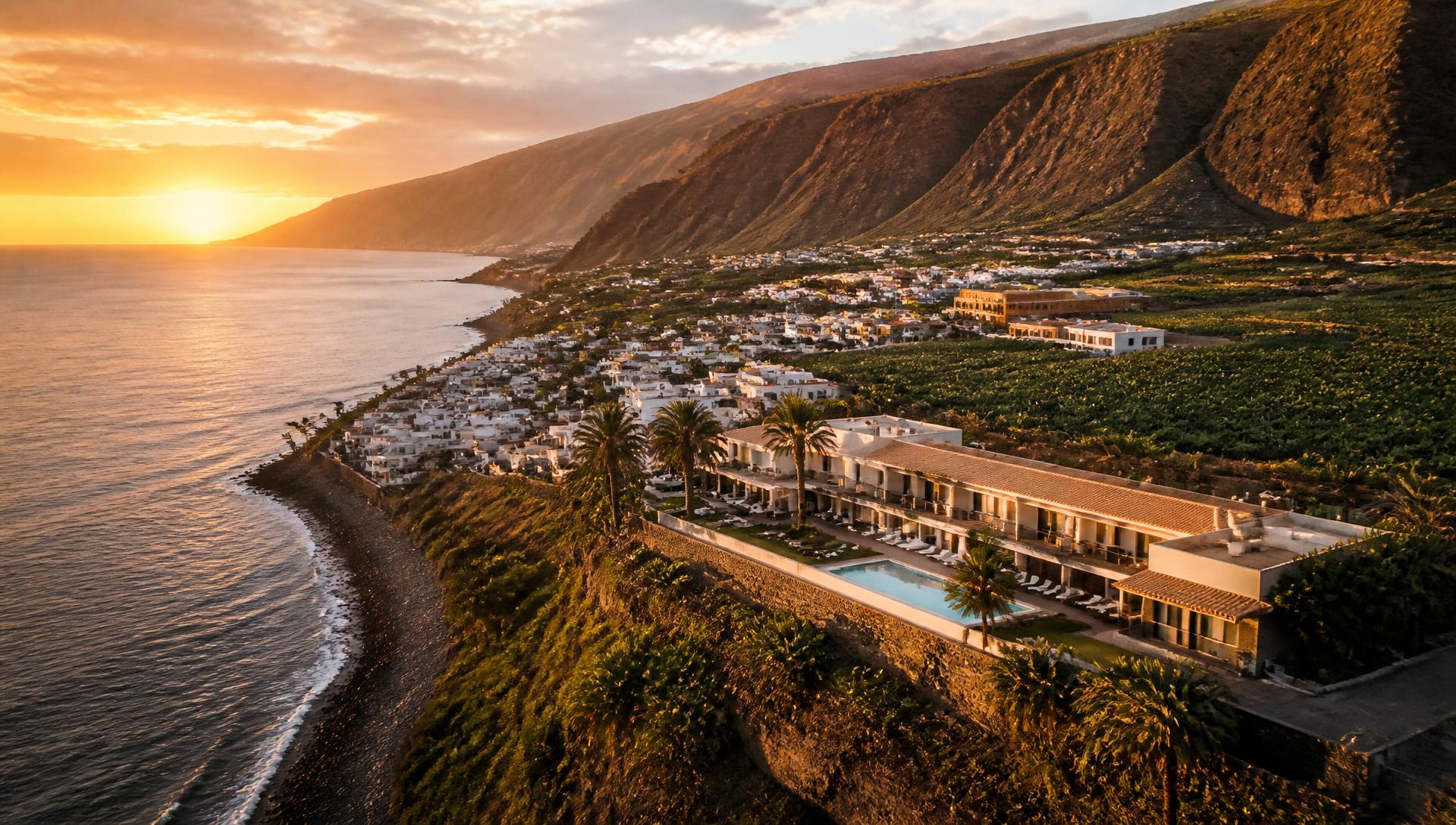
La Palma: A New Stage for Real Estate, Tourism and Commercial Investment
La Palma is entering a new stage for real estate, tourism and commercial investment — with hotel assets, development land, commercial properties and off-market opportunities emerging quietly across the island.
Investment
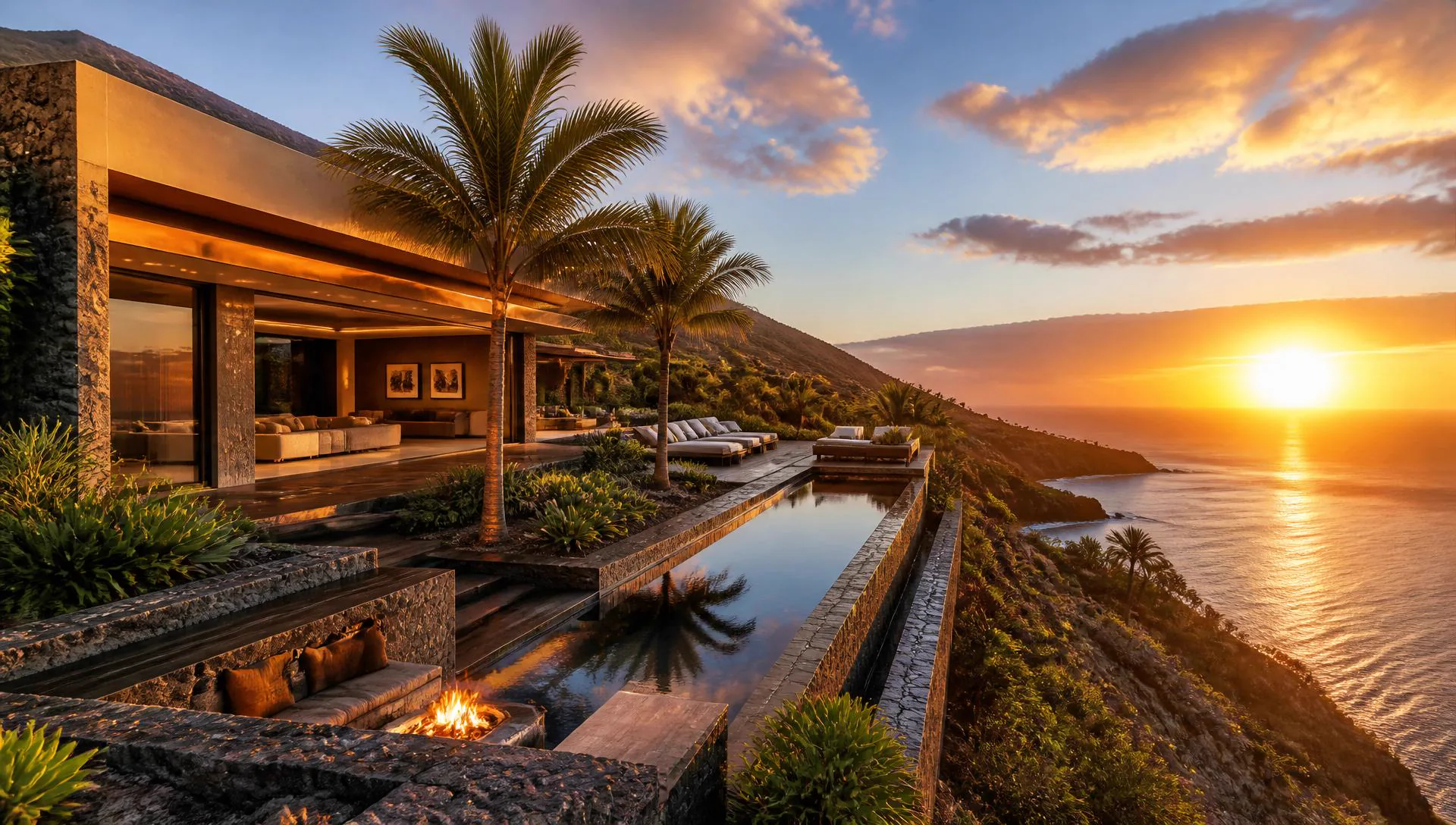
Why La Palma Could Become the Canary Islands' Next Luxury Investment Destination
Luxury property investment on La Palma is entering a new phase — boutique hospitality, sustainable development and discreet international demand are quietly reshaping the island's real estate market.