
Insights
Buying Rustic Land in La Palma: What International Buyers Should Know
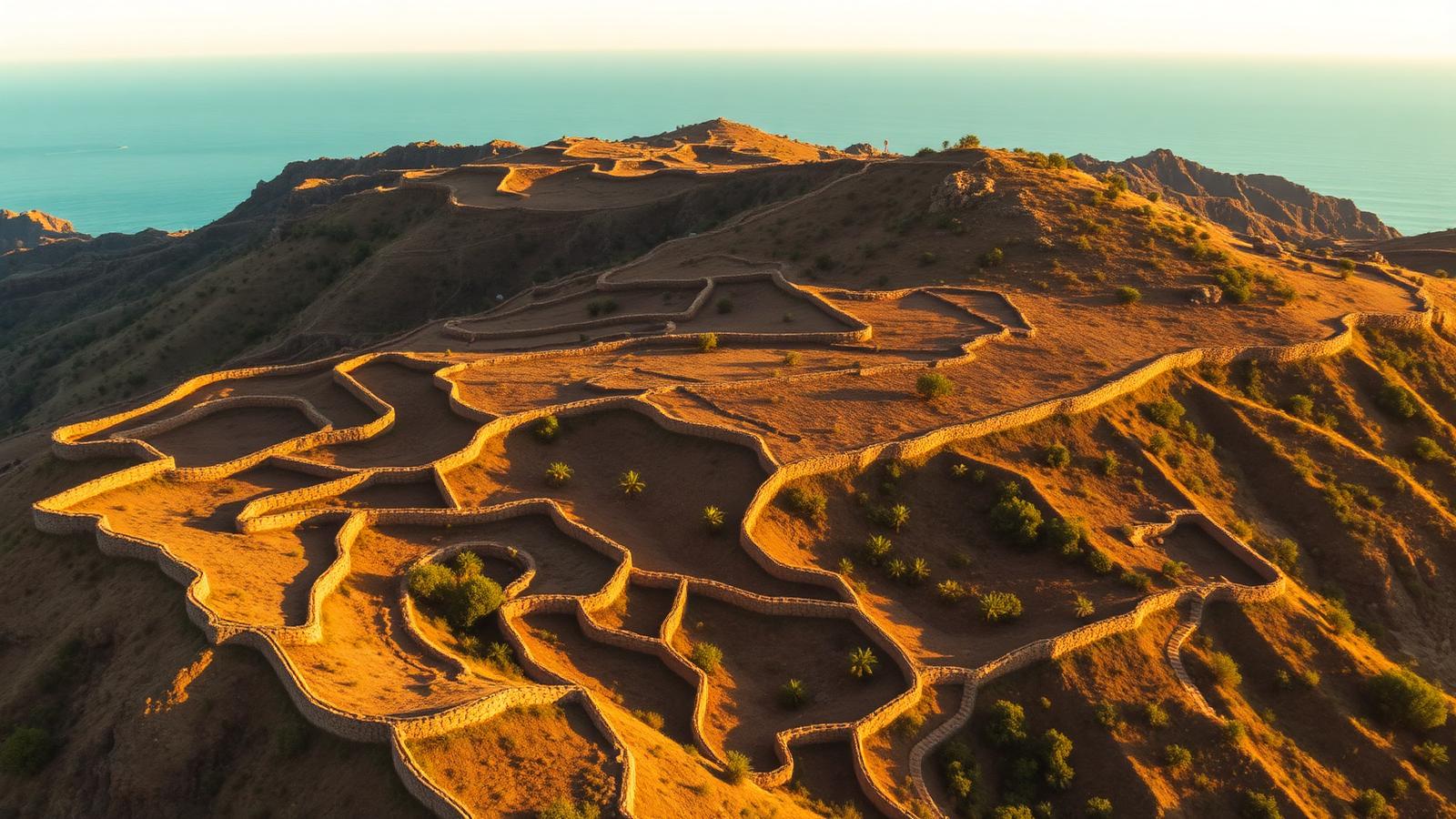
Rustic land — suelo rústico — accounts for most of the surface of La Palma. It is where the island's fincas sit, where its agriculture continues, and where a significant part of buyer imagination gravitates. It is also where the most costly misunderstandings happen.
This article sets out what international buyers should verify before acquiring rustic land: legal classification, protected status, registration, water, access, energy autonomy and building restrictions. It is deliberately practical.
Classifications of Rustic Land
Rustic land is not a single category. Spanish planning distinguishes between suelo rústico común (general rural) and various protected sub-classifications — agricultural, landscape, environmental, cultural. Each carries different permitted uses.
Some rustic land is agriculturally productive, some is protected primarily for landscape or ecological reasons, and some sits within Biosphere Reserve or Natura 2000 boundaries. The classification defines what is legally possible on the parcel, and therefore what the land is really worth.
Protected Areas and Natural Restrictions
La Palma has extensive protected areas — the Caldera de Taburiente National Park, several nature parks, and the island-wide Biosphere Reserve designation. Land within or adjacent to protected boundaries carries stricter rules on construction, access improvements and use changes.
This is not necessarily a disadvantage. Protected surroundings are often what makes the land beautiful in the first place. But the constraints must be understood before purchase — assumed permissions rarely materialise.
Land Registration and Cadastre
Rustic parcels in La Palma are recorded in the Registro de la Propiedad and the Catastro. Historic mismatches between the two are common — a parcel's registered area may differ from cadastral area, and boundaries may not perfectly align with modern surveys.
For any material purchase, a fresh survey (medición) and a careful comparison of registry, cadastre and physical boundaries is essential. Discrepancies can be resolved but take time.
Water on Rustic Land
As with fincas, water on rustic land is a distinct asset. Access may come through membership of a comunidad de agua, from a private well, or from a municipal connection. Each has different legal, cost and reliability implications.
Verifying water at the source — with documentation and, ideally, a visit to the community — is standard practice. Land without practical water is significantly less valuable, whatever the seller quotes as the theoretical entitlement.
Access, Roads and Easements
Legal and physical access are two different things. A parcel may be reachable in practice via a track that crosses a neighbour's land without a registered easement — a situation that works until it does not. Any parcel purchase should confirm registered access rights.
Where access is poor, the cost of improving it — including any permits required within protected areas — should be factored into the acquisition budget.
Solar Systems and Energy Autonomy
Many rustic parcels are off-grid or partially off-grid. Photovoltaic systems have transformed what is feasible on such land — modern setups can run a comfortable home comfortably year-round. Regulations for solar installations are increasingly straightforward, though larger systems may require permits.
For buyers planning long-term residence on rustic land, energy design should be part of the acquisition analysis, not a post-purchase afterthought.
Construction Limitations
New construction on suelo rústico común is generally not permitted. Existing legal buildings can often be restored or, in some cases, modestly extended. Agricultural buildings — support structures for a genuine agricultural activity — have specific rules.
The cédula urbanística issued by the municipality is the definitive document on what is legally possible. It should be requested and reviewed before reservation, not after. We coordinate this step in every rustic-land mandate.
Rustic land on La Palma can be a beautiful and long-term-sound acquisition. It rewards the buyers who verify carefully and disappoints those who assume.
For a confidential discussion of a specific parcel or a rustic-land mandate, contact us via the contact page.
Frequently Asked Questions
- Can I build a house on rustic land in La Palma?
- Generally no on suelo rústico común. Specific classifications allow limited actions such as restoration or agricultural support buildings. A cédula urbanística confirms what is possible.
- Do I get water rights when I buy rustic land?
- Not automatically. Water is a distinct asset, often held as shares in a comunidad de agua, and must be verified and, if included, transferred at notary.
- How do I verify legal access to a rustic parcel?
- Through the property registry and cadastre, supported by a fresh survey. Any access that crosses another parcel should have a registered easement.
Confidential Investment Opportunities
Speak with La Palma Exklusive about curated off-market assets and confidential investment opportunities on La Palma.
Contact usLa Palma Exklusive
Related Articles
Investment
La Palma: A New Stage for Real Estate, Tourism and Commercial Investment
La Palma is entering a new stage for real estate, tourism and commercial investment — with hotel assets, development land, commercial properties and off-market opportunities emerging quietly across the island.
Investment
Why La Palma Could Become the Canary Islands' Next Luxury Investment Destination
Luxury property investment on La Palma is entering a new phase — boutique hospitality, sustainable development and discreet international demand are quietly reshaping the island's real estate market.